Vilde Frang and Friends
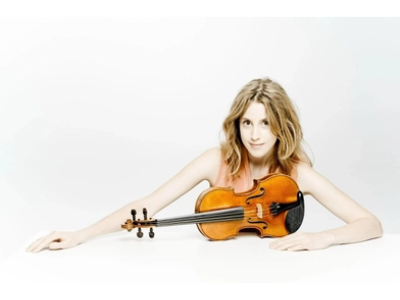
Vilde Frang and Friends
Brahms’s Cello Sonata No.1 is a fascinating blend of the composer’s past, present and future. The outer movements are explicit homages to J.S. Bach, while the middle movement is a delicate tribute to the music of Mozart or Schubert. Yet surrounding these references to the past is Brahms’ own, emerging language: warm, rich, and a touch tempestuous.
Bartók’s Sonata for Violin and Piano No.1 is an exhilarating, highly individual encounter between the two instruments. Ranging from fiery to atmospherically misty, and with some intriguing imitations of the cimbalom (a Hungarian stringed instrument), the Sonata will have you on the edge of your seat.
Vigorous Hungarian rhythms are at the centre of Kodály’s Serenade for two violins and viola: two outer movements stamp and strum, while a lyrical drama plays out in between. Kodály’s compatriot Bartók loved the piece, especially its nationalist flavour, writing approvingly that “this composition is a genuine, modern product of Hungarian culture”.
Vilde Frang violin
Aylen Pritchin violin
Guy Johnston cello
Martin Helmchen piano